Social politics are described by many as having the effect of a ‘pendulum swing’. While previous years have seen the rise of far more socially left politics, we are now quickly seeing the pendulum swing back into socially right politics here in Canada (and the larger west).
What remains in the wake of this swing is people who still need equality and social assistance, but are not getting any. The ideals of socially right politics are to halt and conserve an ideal society, while socially left politics seek to progress forward numerous different causes. While conservation is important in some regards, progress can seldom be halted entirely, and those in the shadows will always fight to be known.
One of the many ways we can see this pendulum swing is through the treatment of disability and accessibility in society.
There has been a rise in disabled people speaking out about different issues which affect disabled people on a large-scale level, which most often relate to systemic injustice and historical dismissal of symptoms. There are many different kinds of accessibility accommodations which exist for a myriad of different disabilities. As the pendulum swings, many question the need for such accommodation and push back against the implementation of them into general social life.
Kathleen Stock’s controversial article, “Why are young women using walking sticks?”, brings to light the growing sentiment some have around accommodation, drawing on an especially harmful stereotype about teenage girls and their supposed bids for attention.1
Stock’s article centers on young women who use canes for their disabilities, disabilities which she claims are ‘vague’ and based on pain which seems ‘unclear’. The article goes on to describe how girls are prone to ‘social contagion’, the idea that the society around us can condition us to believe we are one way or another. Stock mentions in the article an anecdote about seeing a young woman online force staff to lift her wheelchair onto a subway platform, only for her to later stand and walk up a set of stairs.
There absolutely has been a number of cases of individuals using the status of disabled people (such as in the many cases of people lying about service animals to gain access to places with their pets) to gain some sort of accommodation. However, specifically in the mention of canes, there is very little consequence to allowing someone who believes they need a cane to use it.
While symptoms such as joint pain and dizziness seem vague, there is no way of knowing the way someone experiences these symptoms and how debilitating they are to someone’s life. Stock speaks on supposed social privileges and ‘doting’ which others give to disabled people but very often these privileges are conditional to how much the other person’s disability affects others. She talks about how social media glamorizes the use of assistive devices like canes but as with anything posting on social media, there is very little you truly know about the person behind the screen.
The term ‘social contagion’ has been so often used to specifically undermine women and the pain they experience, which in itself has a long history of being ignored and denied. Beyond that, symptoms by themselves are so rarely taken seriously in a world that primarily respects those with bureaucratic diagnosis that can only be obtained through expensive and rigorous testing. What are women with symptoms that deeply affect their lives, who are barely listened to in the first place, meant to do? The answer, of course, is to try and better fit into perceived ‘normative’ society.
It is no surprise that Stock also identifies along the lines of ‘gender critical feminist’, a term used to define someone who is wary of gender being paramount to sex, an identity she received major backlash for.
As our world leaders and society on the whole begin taking on stances that promote images of the world as ‘normative’ and attempt to eradicate anything ‘weird’, we must remember the long histories which precede present injustice and the reasons we perceive certain attributes as ‘normal’.
Most of us will or currently suffer from a disability which requires some form of physical or mental accommodation. It is not shameful to require these things, as they simply help us live the lives we want to.
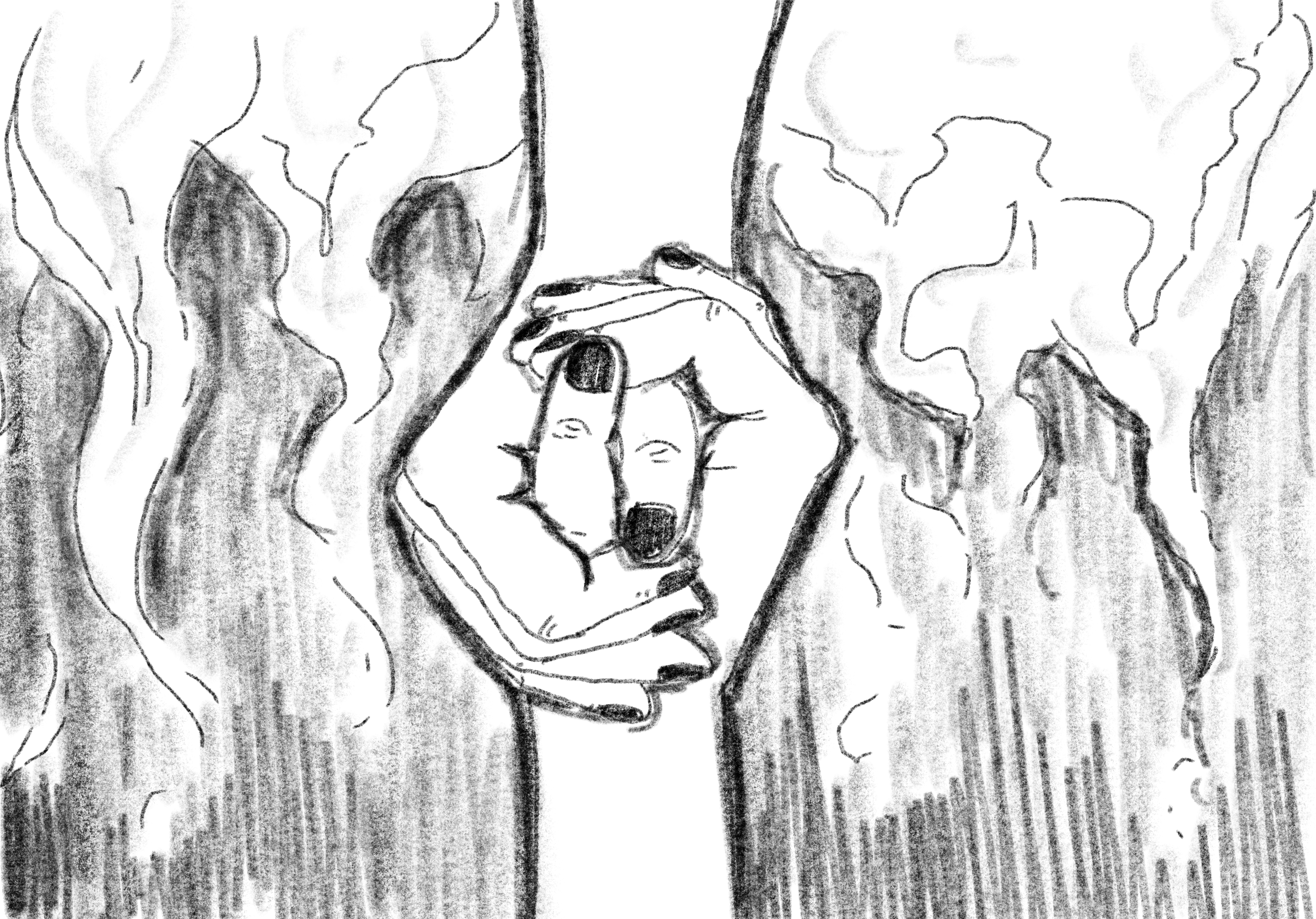
I want to thank India Williams for bringing this article to my attention as well as providing the excellent cover image